General information only. The right option for your roof depends on its condition, which needs an inspection by a licensed roofer.
A leak, rust stains or a roof that simply looks old usually leads to the same question: can it be fixed, or does it need replacing? The answer affects your budget, your strata levies and how the roof handles the next storm season. Here is how to think it through.
Three options, three different jobs
Repair fixes a specific problem: a leaking flashing, a blocked or rusted gutter, loose fixings or a damaged sheet. It is the right choice when the rest of the roof is sound.
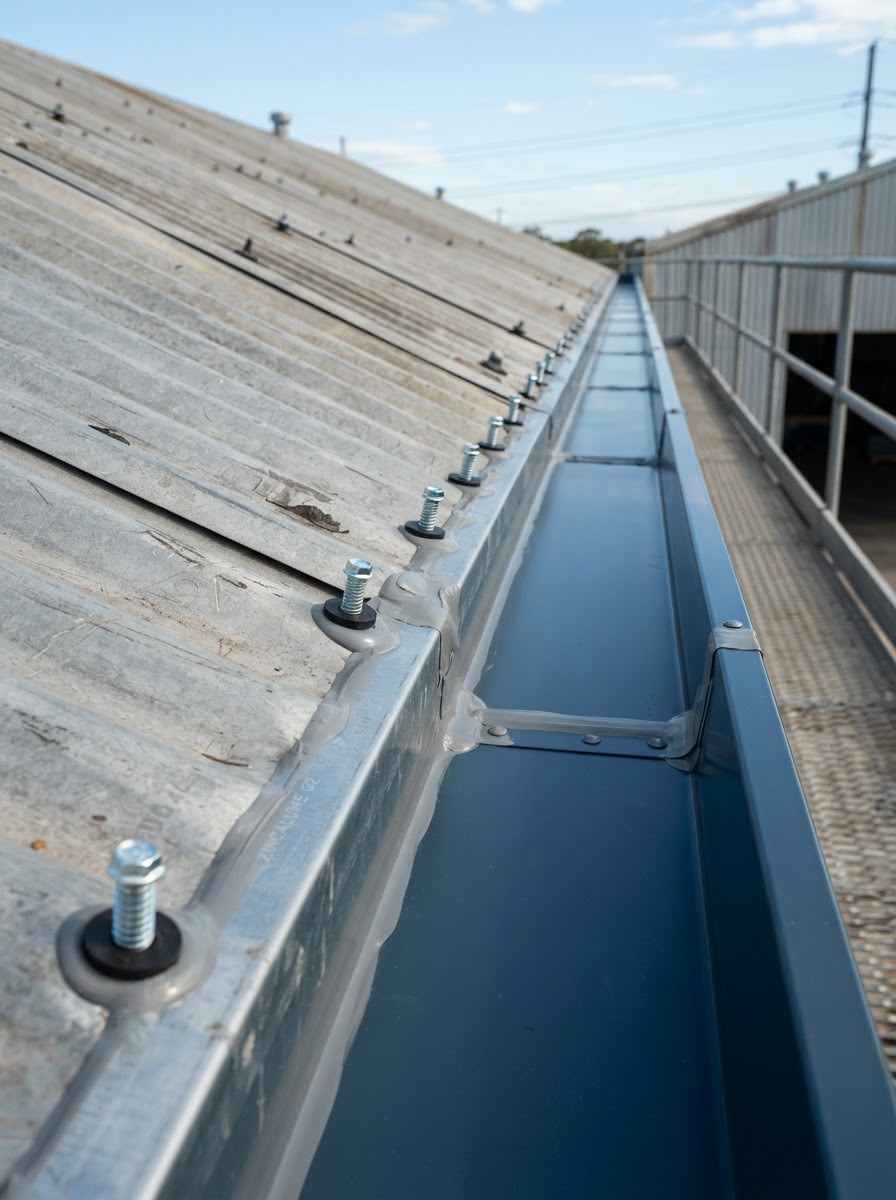
Restoration brings an ageing roof back into good working order without replacing the main roof covering. On metal roofs, that can include replacing worn fixings, resealing laps and penetrations, treating early surface rust, replacing damaged flashings, clearing and repairing gutters and recoating where suitable.
Replacement removes the existing roof covering and installs a new one. It makes sense when damage is widespread, the material is near the end of its life, or ongoing repairs are costing more than they save.
Signs repair or restoration may be enough
- leaks traced to one area, such as a flashing, penetration or gutter
- loose or missing fixings, without wider damage to the sheets
- surface rust that hasn't eaten through the metal
- sealant failure around skylights, vents or pipes
- blocked gutters and downpipes causing water to back up
Signs replacement may be the better option
- rust that has perforated sheets in several places
- repeated leaks from different parts of the roof
- extensive damage from a storm or fallen branches
- sagging or structural concerns, which need an engineer or builder to assess
- a roof that contains asbestos and is breaking down, which needs a licensed asbestos professional, not a roofer
Sydney conditions that wear roofs faster
Sydney roofs face summer heat, heavy storm rain, hail and, near the coast, salt air that speeds up corrosion on metal. Overhanging trees drop leaves and branches that block gutters and hold moisture against the roof. Roofs in these conditions benefit from more frequent checks.
For strata buildings: repair or upgrade matters
In a strata scheme, the choice can also affect what kind of vote is needed. Strata lawyers generally distinguish necessary repair or replacement, usually authorised by ordinary resolution, from improvements, which need a special resolution. Changing roof material, such as tile to metal, can raise this question. Ask your strata manager before a motion goes out.
Whatever the option, a dated condition report with photos helps committees compare quotes and plan the work through the 10-year capital works plan.
Pre-storm-season checklist
Storm season in NSW runs from roughly September to April. Before the worst of it, check from the ground or arrange an inspection for:
- gutters, valleys and downpipes clear of leaves and debris
- branches overhanging the roof trimmed back by a qualified arborist
- loose sheets, lifted edges or missing fixings
- flashings around chimneys, walls, skylights and vents
- water stains on ceilings, which can show an existing leak
Keep the photos and invoices. If a storm does damage your roof, a dated record of its condition before the event can help show the damage was sudden rather than wear and tear.
Get an inspection, not a guess
The only reliable way to choose between repair, restoration and replacement is to have the roof inspected. A good roofer should explain what they found, show you photos and set out what each option involves, so you can make the decision yourself.
How Hiroof can help
Hiroof provides roof maintenance, repair and restoration for homes, strata buildings and commercial properties across Sydney and surrounds. Where access is safe, we inspect the roof, photograph what we find and quote the options so you can compare them.
To book a roof inspection, email info@hiroof.com.au. Hiroof Services Pty Ltd, NSW roof plumbing licence 21350703.